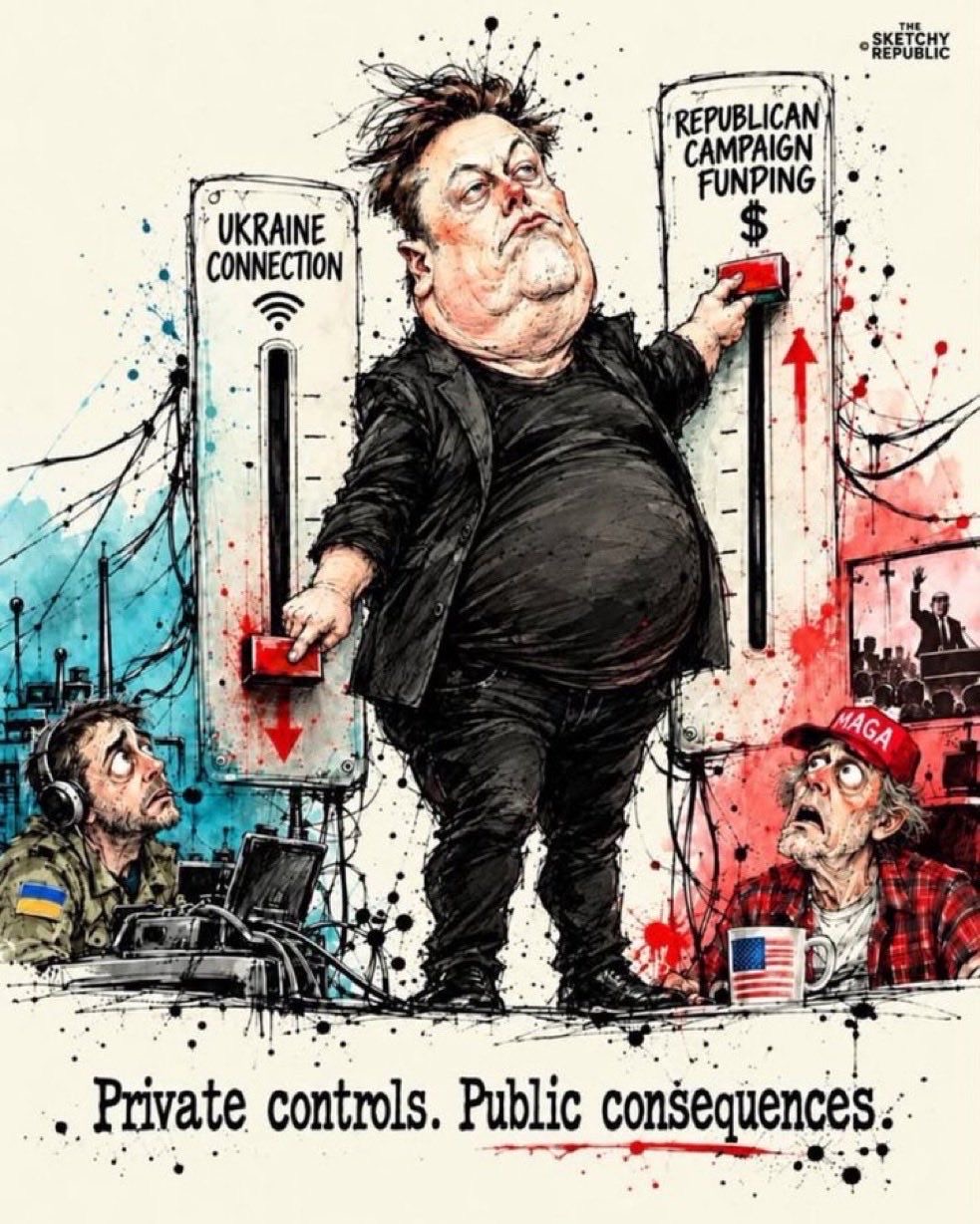
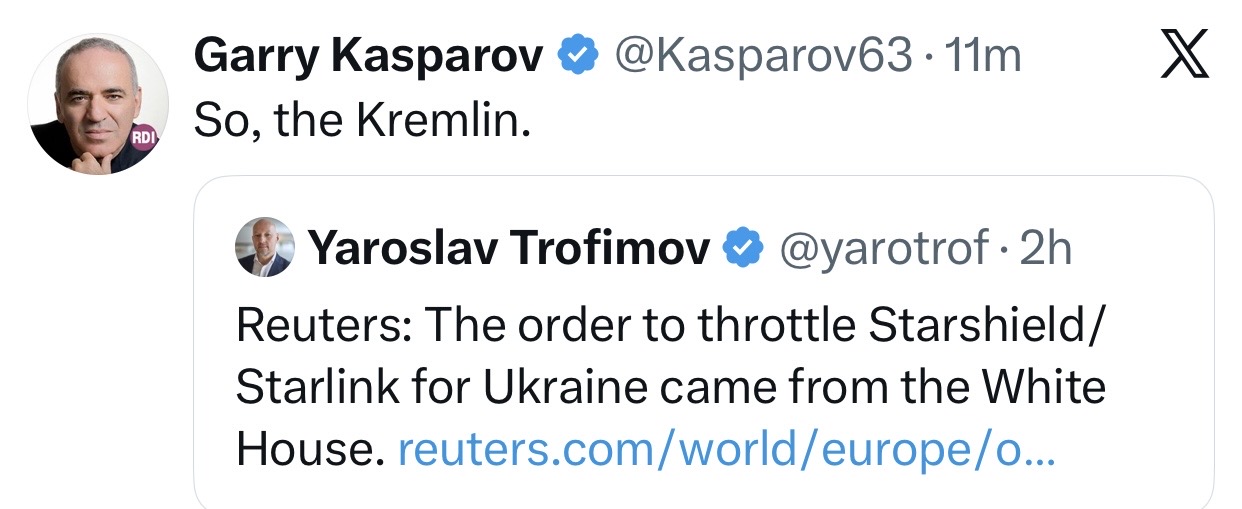
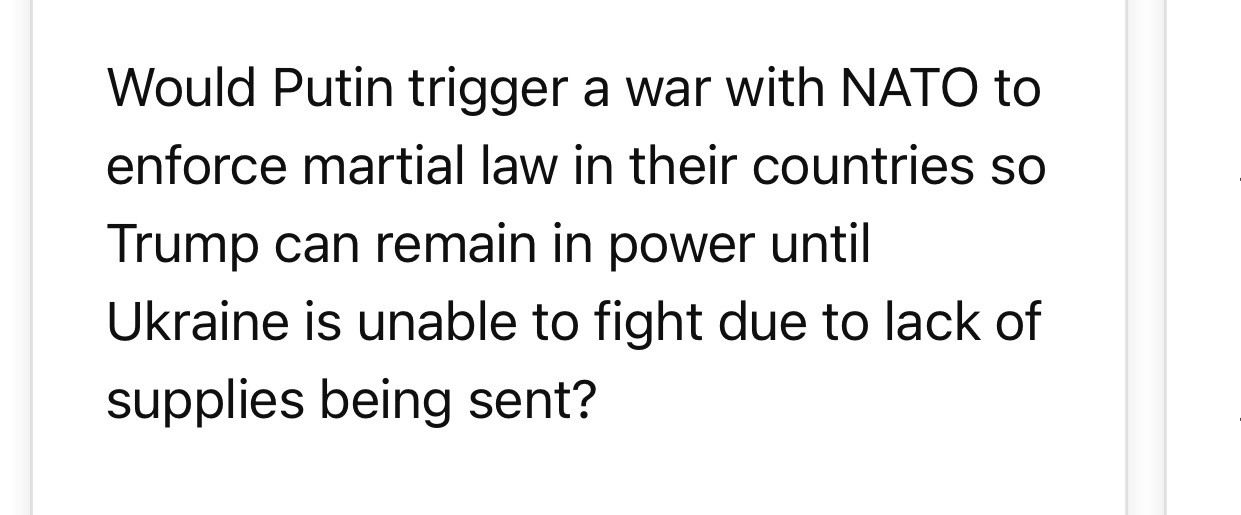
Musk either refused Trump’s request to turn on Ukraine’s Starshield access, or Trump is lying, or both.
The November 3rd elections are now a referendum on Trump’s decision to join the Axis of Evil with Russia, where the United States is the junior partner.
American voters get to decide: vote Republican if they want to take orders from Putin; vote Democrat if they don’t.
Many children in Ukraine, including among the fallen, have never lived in peace.
We lived in a different time. We understand what it’s like to live without sirens, shelling, and constant fear.
But these kids go down to the bomb shelter every night when the alarm goes off, and it goes off every night. Then they come back up, and some of them have died.
When a Russian missile cuts short the life of a child who has seen nothing yet… just imagine. My pain is not even 10% of the parents’ pain. It’s just terrifying.
There is an entire generation of Ukrainian children who are schoolkids by now, and who do not remember what a peaceful life is like.
They are growing up in conditions where someone is constantly trying to kill them. They don’t understand why. They did nothing wrong, nothing to deserve constant bombings of their homes.
Russia must be stopped. And until then, Ukraine needs air defense so that we don’t have to bring toys to collapsed buildings, where Russia cut short lives that never got to experience peace.
If you support Trump you are pro Putin. Absolutely.
No amount of support for Russia can end the war, because Russia is the criminal aggressor. Support for Ukraine could, however, end the war, by making it impossible for Russia to continue. This should not be a hard choice.
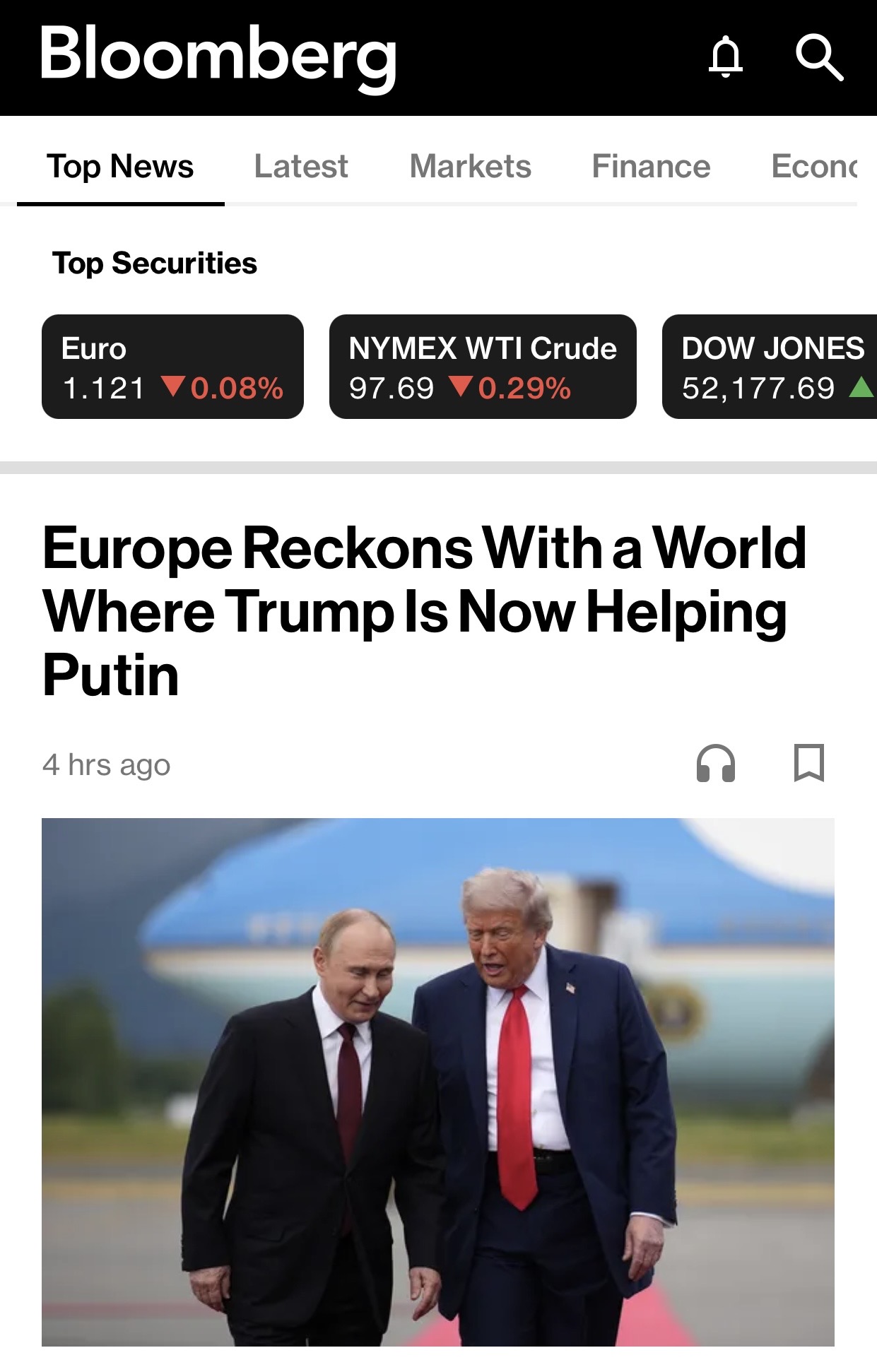
A month ago Trump signed a tough Russia sanctions law. One call with Putin later, he’s lifting sanctions on Russian diesel, demanding Kyiv stop hitting Russian refineries, and telling Ukraine to get “a new leader.” His big “energy ceasefire”? Russian drones hit Kharkiv within hours. Putin humiliates Trump every chance he gets. Why does Trump allow it?
The US has reportedly proposed that European partners consider partially unfreezing Russian assets as part of a potential peace deal for Ukraine, according to the Financial Times. The proposal was discussed during talks in Miami involving US, Ukrainian and European representatives. One option reportedly involved placing some of the frozen funds under the control of a US-linked entity and using them after the war ends. European delegates rebuffed the plan, which Steve Witkoff and Jared Kushner pitched. But it has startled European capitals and Kyiv, raising questions about the US’s intentions and its starkly different approach to pressing Moscow to end its invasion of Ukraine.
Trump’s abandonment of a democratic Ukraine and embrace of autocratic Russia during wartime will be recorded in future history books as one of the greatest, tragic mistakes in American foreign policy in our nation’s history.
Considering how widely unpopular Russia and Putin have become in the US. across the board, and how relatively popular Zelensky remains, it’s really electorally puzzling that Trump’s October surprise is a new bond with Russia against Ukraine.
When I am not in Kyiv I am in London. We have been there for more than a year and a half and when you talk to some older folk they remember the Blitz during World War 2. They gave it a name. Kyiv has the Blitz too, or the Blitz 2, and it is bigger and badder. Everyone here prays it will end, but with Europe being half asleep and with Trump siding with Putin, things are harder than ever for Ukraine. It is cruel and unfair, but having said that, I do not hear victims here. Just brave souls who love life.
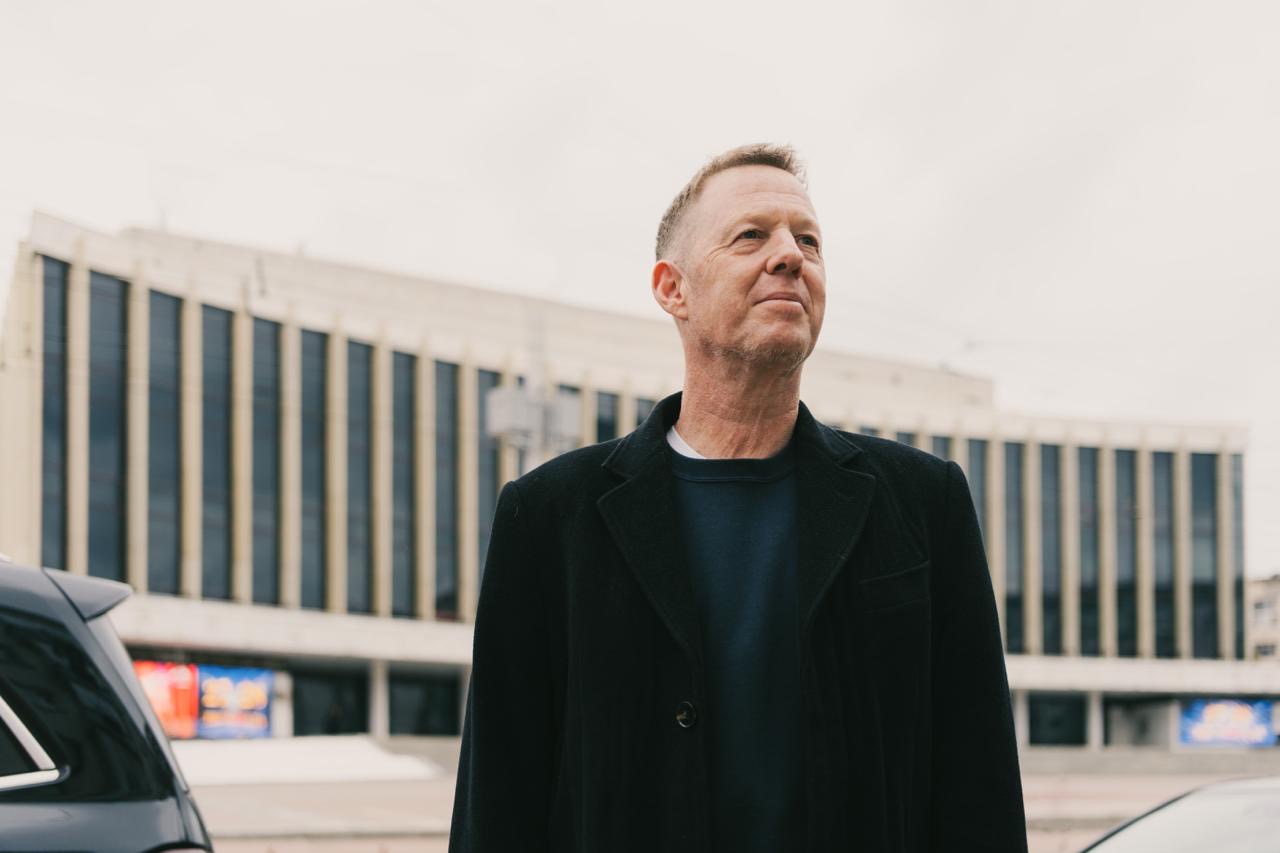
I am in Kyiv. Things here are not easy here to say the least. And winter is around the corner. People are anxious. What is going to happen this cold season?!
As I write this there is a drone strike on the city. The attacks have been taking place every few hours for the past 6 weeks. This is terrorism. It is like September the 11th every day and every night.
My heart is sore but I have hope. People here are strong and grounded. They know the truth about this war, the selfish world we live in, about Europe’s weakness, about Trump disgusting character and about his love for Putin. There is no naivety here any more.
I know children in Kyiv that were born into war and they don’t know a different reality. I often wonder how these parents (my friends) cope. I am not sure we would be able to nurture the Bunster they way we currently do if we were with him in Kyiv. This is no way for children to live. And yet, with all of this going on you don’t hear victims here in Ukraine. Just brave, free spirits that want to live life. They will never give up. They know that occupation = death.
Being in Kyiv is hard on the nerves and it is dangerous but it is good for the soul. Things here are very black and white. This place gives one something to believe in – something good. If you are in America, say, and you are reading this, then what do you believe in? Is life really all about power and money?
Several countries, including the UK, France and the Baltic countries did not receive an invite to a planned meeting in Poland that will focus on NATO’s future.
Trump and his cronies are doing everything to ruin NATO as Russia continues to threaten Europe.