Show me the money

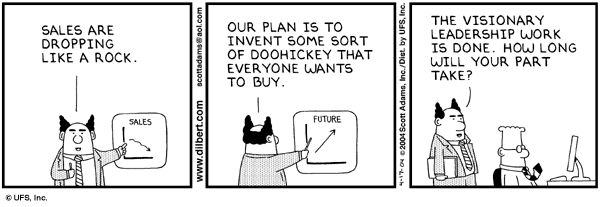
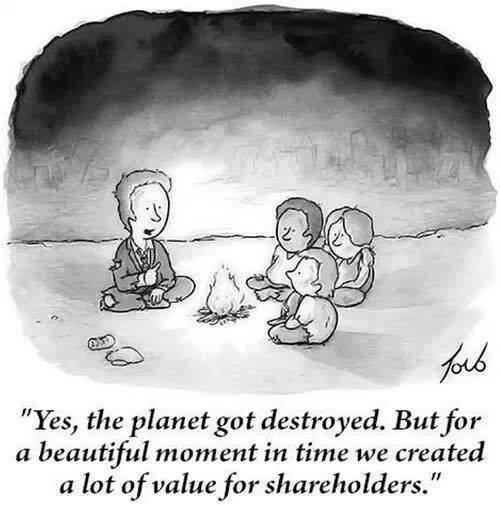
There is so much media attention on rich people. The richest people. The biggest earners. Who owns what. In the new world, where Oligarchs have emerged, and the talk of billionaires is common, we see and hear of people who have suddenly got fortunes of money, but, how did they get to be so spectacularly wealthy so fast? What did they do?

Yes, people see all these new age billionaires who, for the most part, did no real work for their money. Well that is my view. I know what Henry Ford did, and Bill Gates, Philip Green, Ingvar Kamprad, William Boeing, Walt Disney, and many others who have built thriving enterprises. But seriously, ask one of these new age billionaires what they actually did – see if you can get a straight answer … you try figure it out. Yeah, right.

So now you have the youth masses thinking “I also want to be rich for doing nothing”. And this is where this non-work nonsense culture has come from – it is a global problem. The thinking is “he/she did nothing and I don’t want to do anything either – I just want to be rich”.

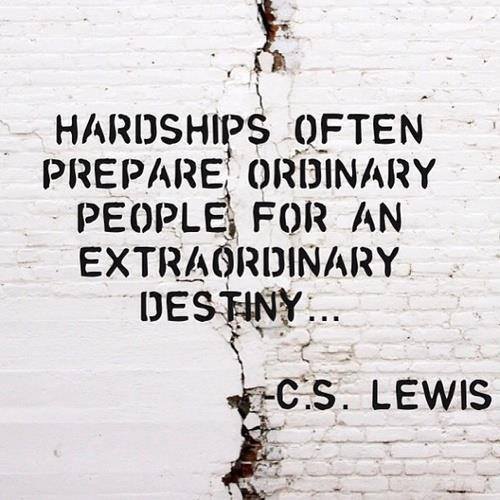
This is part of the inspiration behind the Heartlines mission and where the “Nothing for Mahala” film has come from. There is nothing for nothing in this world. If you don’t work hard you won’t get anywhere. But so many of the world’s youth believe that because they have a Web site that they should be billionaires. There are no short cuts in life. Success requires hard work. And as the old saying goes “an overnight success takes 20 to 30 years”.

Yes, what about the Oligarchs and all this new age money. Well, for one thing, we need to choose our words carefully. Most of these people do not make money. They take money. The real question is why no one ever stopped them. That I have no answers for. But I do know that so many people who have money have no real wealth. To feel really rich is to feel fulfilled from a job well done.

Some people spend time to save money, others spend money to save time

Time is more valuable than anything. I know, I am stating the obvious but when it comes to time I am becoming more and more selective about where I spend it.

I have invested a lot of time and resources into various computer projects and movie ventures this past year. And I am always intrigued when I hear film makers talk about the risks they’re taking. Let’s see, I work from sunrise to sunset, and more, 7 days a week, and I invest money and then, I keep hearing about the risk that everyone is taking. What risk? Go tell a bank about the risk you’re taking when you put in babkas … yeah right.

Now I am not trying to trivialize anyone’s role or contribution, but I do battle to understand how a 21-year-old university graduate can say that they are taking a risk by making a film. If the film doesn’t work (which is the case most of the time) then I lose some money and life goes on. What risk did the film maker take? I, on the other hand, I am not straight out of university, and I have opportunities thrown at me each week. When we embark on a new project that means I have to turn other opportunities away. There is a cost to this. But, I am often told how we are all sharing the risk. It almost sounds like we are all in it together as equal partners. Split the financial investment with me; then we will be real partners.

Let’s assume for this discussion that we have indeed split the costs. Let’s assume that we have all made a financial investment. Yes, then we are all at risk. But in terms of the time factor, how does one put a value on the time they have invested? One simple answer could be that if you are offered a job opportunity that pays, say, a million dollars a year, and you turn it down, then your cost for that year could be said to be a million dollars. But if you were unemployed, straight out of university, and you spend a year on a new project, then what opportunity costs have you foregone?

My conclusion is that it is most often very difficult for people to understand the true costs of doing business. People in different situations with different track records cannot value their time the same. Yes, an hour of my day is the same as an hour of your day. But, if I had the potential to earn, say, a million dollars an hour, and I took an hour off, then that million dollars would have to be considered. And, if another person was earning say, 100 dollars an hour, and they took an hour off, then the financial component here is quite different. And this is the point I am trying to make. Yes, I know this requires a great deal of sensitivity as people get very defensive when you imply that someone’s time may be less valuable than yours, but this is a very real consideration. The value of human capital is not an easy thing to understand and we all tend to sell ourselves short.

I once heard a saying which said that some people spend time to save money while others spend money to save time. I have been very fortunate in my life to have been financially independent from a young age. I always look to spend money to save time because I really battle to find the time to process all the opportunities that exist around me.

I have people telling me every other week about how they don’t like to have their time wasted and yet it is often these same people who will then go and get stuck in traffic for hours going to pick up their dry cleaning. This makes no sense to me. I would rather pay someone to collect my dry cleaning because that time that I save is more valuable to me. But, I guess one needs to understand the value of their own human capital or potential and then one would not be so quick to voluntarily get stuck in traffic.

Now consider those who travel business class. I do sometimes, but not too often. I would rather give the money to those who need it. Business class, like many other privileges, is not about saving time. We all arrive at our destination together, at the same time. Business class is about comfort and status. It is about luxury and relaxation. It is also intriguing to me that so often the same people who allow themselves to get stuck in traffic for hours also put up a big fuss when it comes to air travel (but this is a whole other story).

Today’s piece was just something I often battle to put in words. I hope I have sparked some food for thought. As someone who is trying to lead people, I often have to challenge people’s thoughts and ideas. Yes, time is indeed the most valuable thing we have, and when people are aligned it certainly saves a lot of hours.

Content could be king …

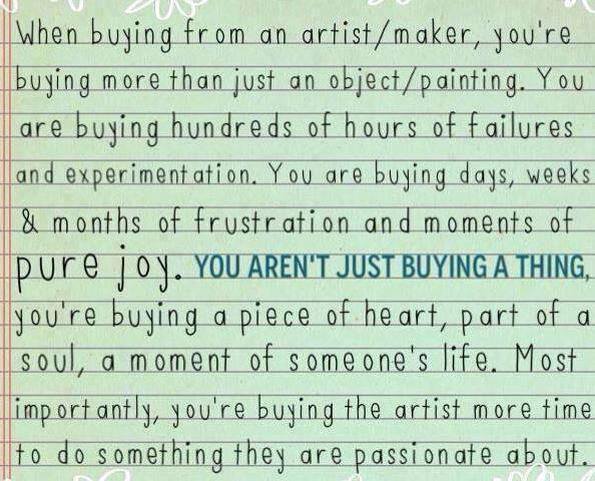
If you want to make a movie, then all you need is money. Talent helps too. And if you want to lose money, then all you need to do is make the movie … talent won’t matter here. Yes, there is a 95% chance you will lose all the money. And that’s the arts business for you. Content is hit and miss. Very few winners. Lots and lots of losers.

Luck and the source

Leading people is most often not a popularity contest. It sounds exciting and fun, but it really is hard work. It can be very rewarding and it certainly can be fulfilling, but it is often filled with disappointments and struggle.

Building a business and nurturing and growing people is like raising kids. You get out what you put in. Well, that is the theory anyway. But, there are risks with both of these.

Most businesses don’t go on to make magic in the world and most start-ups fail. You go about building your business, putting in so much, to try to find some joy in the world but so often you land up with stress, disappointment and pain. It is the same with raising kids. Sure, you hope that your kids will bring you joy later in life, but often, kids can also bring you anxiety, hardship and pain.

If you look at the problem children out there, you never really have to look further than the source. The same with a failing business. When no one really cares, this is what happens. In short, there is a risk in trying to build a company and in raising kids – you want to find magic but you often find only struggle.

On the other hand, you can give it all you got, and work hard, and still, there is no guarantee that your kids will turn out good. Like there is no guarantee a business will work, even if you do everything right. Luck always plays a role. You could raise your kids great, and they could still turn out to be lemons. And you could lead people in a business, with an inspired soul, and work harder than anyone, and set an example, and still go nowhere.

Leadership requires an element of luck. I am more and more convinced of this.